The Ultimate Guide To Perfect Slow Cooker Corned Beef And Cabbage
Ever wondered how to transform a tough, lean cut of beef into a melt-in-your-mouth, flavor-packed centerpiece for your St. Patrick’s Day feast—or any cozy dinner—with almost no effort? The magic lies in your slow cooker. This iconic dish, a celebration of Irish-American heritage, is famously associated with long, simmering pots on the stove. But the slow cooker corned beef and cabbage method revolutionizes the process, guaranteeing tender, juicy results while freeing you from hours of kitchen duty. Forget babysitting a boiling pot; this is true hands-off cooking at its finest. Let’s dive deep into everything you need to know to master this classic comfort food, from selecting the perfect brisket to achieving that ideal balance of tender meat and perfectly cooked vegetables.
1. Choosing the Right Cut: The Foundation of Your Dish
The star of the show is unequivocally the corned beef brisket. Not all briskets are created equal, and understanding the two primary cuts will set you up for success from the very beginning. Your choice here directly impacts the final texture and sliceability of your meat.
Understanding Point Cut vs. Flat Cut
You’ll typically find two varieties at the butcher or grocery store: the point cut and the flat cut. The point cut is the thicker, more marbled portion of the brisket. It contains more fat and connective tissue, which translates to incredibly rich, juicy, and flavorful meat that shreds beautifully. It’s the preferred choice for many purists who prioritize deep beefy flavor and a succulent texture. However, its irregular shape can make uniform slicing a bit trickier.
The flat cut, also known as the first cut or lean cut, is the thinner, more uniform part of the brisket. It has a consistent shape, a minimal fat cap, and a leaner profile. This makes it ideal for achieving neat, picture-perfect slices. While still tender when cooked properly, it can be slightly less juicy than the point cut due to its lower fat content. For a classic, sliceable presentation, the flat cut is your best bet.
Size Matters: Plan for Your Crowd
A whole packer-cut brisket can weigh 10-14 pounds, which is often too much for a typical family meal. For a slow cooker, you’ll want a brisket in the 3-5 pound range. This size fits comfortably in most standard 6-7 quart slow cookers and provides ample servings (about 6-8) with some leftovers for glorious sandwiches. Always check your slow cooker’s manual for maximum recommended fill line, but a good rule of thumb is that the meat should fit without being crammed; there should be a little room for steam and liquid to circulate.
The Importance of Fat Cap
Look for a brisket with a nice, even fat cap—the layer of white fat on one side. This fat is crucial! During the long cook, it slowly renders, basting the meat from the inside out and keeping it impossibly moist. If your brisket has an excessively thick fat cap (over 1/2 inch), you can trim it down slightly, but don’t remove it entirely. That fat is your flavor and moisture insurance policy.
2. The Non-Negotiable Prep Step: Rinsing and Resting
You’ve brought home a beautiful, pink, cured brisket. It’s sitting in its own salty, pink curing liquid. Do not skip this step. Rinsing the brisket is critical to controlling the final saltiness of your dish.
Why You Must Rinse
Corned beef gets its name from the large grains of salt ("corns") used in the curing process. The meat is submerged in a brine solution for days, which infuses it with flavor and preserves it. However, that brine is very salty. If you place the un-rinsed brisket directly into your slow cooker, you risk creating a dish that is overwhelmingly salty, as the curing liquid will concentrate during the cooking process. Rinsing under cold running water for a few minutes washes away the excess surface salt and some of the curing spices, giving you a clean, flavorful base that you can then season to your liking.
The Soak Option for Extra Insurance
For those particularly sensitive to salt or if you’re using a brisket from an unknown source, consider an overnight soak. Place the rinsed brisket in a large bowl or your clean sink, cover it with cold water, and let it soak in the refrigerator for 8-12 hours. Change the water once or twice. This further draws out salt and can result in a more mild-flavored final product. After soaking, rinse it again before proceeding. While not always necessary for modern commercial corned beef, it’s a foolproof method for peace of mind.
3. Building Layers of Flavor: Aromatics and Seasonings
This is where you move from a simple boiled meat to a deeply aromatic and complex dish. The slow cooker is a fantastic vessel for building flavor layers, as the long cook time allows spices and vegetables to infuse the cooking liquid and, subsequently, the meat.
The Classic Aromatic Foundation
The holy trinity for this dish is onion, garlic, and carrot. Start by placing a roughly chopped onion and a few peeled garlic cloves directly in the bottom of the slow cooker. These will form a savory bed for the meat and break down to sweeten and flavor the braising liquid. Adding a couple of carrot sticks or chunks not only contributes flavor but also helps elevate the meat slightly, keeping it from sitting directly in the liquid and promoting more even cooking.
Spice It Up (Literally)
While the corned beef comes pre-cured with its own spice packet (usually included in the packaging), don’t rely on it alone. That packet is often a bit lackluster. Create your own powerful spice blend. Add whole black peppercorns, bay leaves (2-3 is perfect), whole mustard seeds, and coriander seeds to the slow cooker. For a subtle warmth, a pinch of red pepper flakes works wonders. You can also add a splash of dark beer (like Guinness or a stout) or beef broth to the liquid for an extra dimension of malty, rich flavor. The alcohol cooks off, leaving behind a deep, complex taste.
The Secret Weapon: Brown Sugar
A tablespoon or two of brown sugar is the secret weapon that balances the saltiness and adds a beautiful, caramelized note to the final dish. It helps create a more rounded, less one-dimensional flavor profile. Don’t overdo it; you’re not making a sweet glaze, just balancing the savory notes.
4. Mastering the Cook: Time, Temperature, and Technique
With your prepped brisket and aromatic bed ready, it’s time to cook. The beauty of the slow cooker is its set-and-forget nature, but knowing the how and why ensures perfection.
The Low and Slow Principle
Always cook on the LOW setting. This is non-negotiable for a brisket. The LOW setting (typically around 190-200°F / 88-93°C on most models) provides gentle, consistent heat that slowly melts connective tissue (collagen) into gelatin. This is what creates that signature fork-tender texture. Cooking on HIGH (around 300°F / 149°C) is too aggressive; it will cause the muscle fibers to contract and toughen, resulting in a dry, chewy brisket no matter how long you cook it. Plan for a cook time of 8-10 hours on LOW for a 3-4 lb brisket. Larger pieces may need up to 10-12 hours. This is a full-day endeavor, but it requires zero active work.
The "No Peeking" Rule
Resist the urge to lift the lid! Every time you open the slow cooker, you lose significant heat and steam, which extends the cooking time and can lead to uneven results. Trust the process. The slow cooker is designed to maintain a stable environment. Set it, forget it, and go about your day.
The Fork-Tender Test
Don’t rely solely on the clock. The true test of doneness is the fork-tender test. About 30 minutes before the expected finish time, carefully open the lid (if you must), and use two forks to gently pull at the thickest part of the brisket. It should offer zero resistance and easily shred or separate. If it’s still firm, put the lid back on and check again in 30-45 minutes. The internal temperature should reach at least 195°F (90°C) for shredding and 200-205°F (93-96°C) for slicing, but temperature is a secondary guide to texture. A fork that slides in and out effortlessly is your best indicator.
5. The Critical Rest: Why Patience Pays Off
Your brisket is finally cooked to perfection. It’s smelling incredible, and you’re ready to slice and serve. Stop. The single most important step after the slow cooker clicks off is the rest.
Resting is Not Optional
When you cook meat, the juices—driven by heat—migrate toward the center of the cut. If you slice into it immediately, all that precious, flavorful liquid will run out onto your cutting board, leaving you with dry, disappointing meat. Resting allows the muscle fibers to relax and reabsorb those juices throughout the entire piece. For a large brisket, you need a substantial rest.
How to Rest Properly
Carefully remove the brisket from the slow cooker using a large pair of tongs or two large spatulas. Place it on a clean cutting board or a platter. Tent it loosely with a sheet of aluminum foil. Do not wrap it tightly, as you’ll trap steam and make the exterior soggy. Let it rest for a minimum of 20-30 minutes, but for a brisket of this size, 45-60 minutes is ideal. This rest period is also the perfect time to cook your vegetables and finish your sauce.
6. Perfecting the Vegetables: Timing is Everything
Corned beef and cabbage is a complete meal, but cooking all the vegetables in the slow cooker with the meat from the start is a recipe for mush. Different vegetables have vastly different cook times. Here’s the golden rule: Add vegetables based on their density and required cook time.
The Vegetable Timeline
- Root Vegetables (Potatoes, Carrots, Turnips): These are the sturdiest. Add them to the slow cooker at the same time as the brisket. They will cook for 8-10 hours and become perfectly tender without disintegrating. Cut them into large, uniform chunks (1.5-2 inches).
- Cabbage: This is the star of the name, but it cooks quickly. Add wedges of green cabbage to the slow cooker in the last 2-2.5 hours of cooking. This ensures it’s tender but still has a slight bite and vibrant color. If added too early, it will vanish into a slimy, flavorless pulp.
- Other Quick-Cooking Veggies (Onions - if not used as base, Peas): Add these in the last 30-60 minutes. They just need to heat through and soften slightly.
Pro-Tip for Extra Flavor
For an extra layer of flavor, you can quickly sauté the onions and garlic in a pan with a little oil before adding them to the slow cooker. This step, while adding a few minutes of active time, develops a sweeter, more complex base flavor that is truly exceptional.
7. Creating the Signature Sauce: The Finishing Touch
The liquid left in your slow cooker after cooking is pure gold—it’s a deeply flavored, meaty broth infused with spices and vegetable essence. You can serve it as-is as a simple au jus. But transforming it into a rich, glossy, spoon-coating sauce elevates the dish to restaurant quality.
The Simple Reduction Method
- Strain: After removing the brisket and vegetables, strain the cooking liquid through a fine-mesh sieve into a large saucepan or skillet. Discard the solids (onions, garlic, spices).
- Degrease: Use a spoon to skim off excess fat from the surface, or let it sit for a few minutes and skim the solidified fat off the top.
- Reduce: Bring the liquid to a boil and let it simmer vigorously. As it reduces, the flavors concentrate and the sauce thickens. Reduce it by about one-third to one-half.
- Emulsify (Optional but Recommended): For a silky, glossy finish, whisk in a couple of tablespoons of cold, cubed butter off the heat. This is called mounting with butter and gives the sauce a beautiful sheen and velvety texture.
- Season: Taste the sauce. It will likely need a final adjustment of black pepper and perhaps a tiny pinch of salt (be careful, as the base liquid is already salty). A splash of Worcestershire sauce or a teaspoon of Dijon mustard can add a wonderful tangy depth.
8. Slicing, Serving, and Storing Like a Pro
You’ve rested the meat, your sauce is gleaming, and your vegetables are perfectly cooked. Now, the final act.
How to Slice for Maximum Tenderness
The cardinal rule for slicing brisket, especially the flat cut, is to slice against the grain. The "grain" refers to the direction of the muscle fibers. Look closely at the meat; you’ll see lines running through it. Place your knife perpendicular to those lines and slice thinly (about 1/4-inch thick). Slicing against the grain severs the long, tough fibers, making each piece exponentially more tender and easier to chew. If you slice with the grain, you’ll be chewing on long, rubbery strands. For the point cut, which has a more irregular grain, slice it as you would for pulled or shredded meat.
Classic Presentation
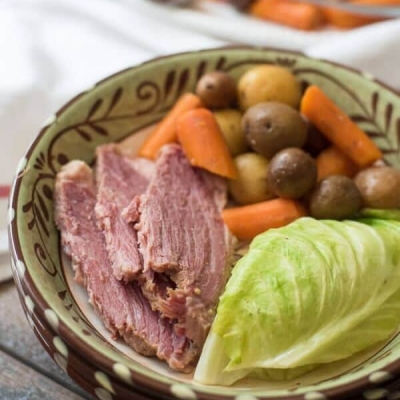
Arrange the sliced brisket on a large platter. Surround it with the cooked cabbage, potatoes, and carrots. Drizzle the glorious sauce over everything or serve it on the side. A sprinkle of fresh, chopped parsley adds a pop of color and freshness. This is a complete, hearty meal.
Leftover Heaven
The best part? This dish tastes even better the next day! Store leftovers in an airtight container in the refrigerator for up to 4 days. The flavors meld and deepen. Reheat gently in a covered dish in the oven with a splash of broth or water to prevent drying, or in a skillet over low heat. And let’s be honest: the ultimate use for leftover corned beef is a Reuben sandwich on rye bread with Swiss cheese, sauerkraut, and Thousand Island dressing. It’s legendary.
Conclusion: Your New Favorite Tradition
Mastering slow cooker corned beef and cabbage is about understanding a few key principles: choosing the right cut, rinsing to control salt, building flavor with aromatics, cooking low and slow, resting patiently, and timing your vegetables perfectly. It’s a testament to how a little knowledge can transform a simple appliance into a tool for creating extraordinary, stress-free meals. Whether you’re celebrating Irish heritage, seeking a comforting Sunday dinner, or craving the ultimate sandwich starter, this method delivers consistent, fall-apart tender, and profoundly flavorful results every single time. Ditch the stovetop anxiety, embrace the convenience of your slow cooker, and make this timeless dish your own. Your future self, relaxing on the couch while dinner magically cooks itself, will thank you.