Corned Beef And Cabbage: The Ultimate Guide To Ireland's Famous (But Misunderstood) Dish
Have you ever wondered why corned beef and cabbage became the undisputed king of St. Patrick's Day feasts, even though it's barely eaten in Ireland? This iconic, salty-savory plate of tender meat and sweet, buttery cabbage is more than just a holiday meal—it's a delicious story of immigration, adaptation, and culinary ingenuity. For many, the mere mention conjures images of steaming pots on the stove, the aroma of spices filling the kitchen, and a table piled high with golden potatoes and carrots. But what if we told you this "traditional" Irish dish is actually an American creation? This comprehensive guide will take you from curious observer to confident home cook, exploring the fascinating history, mastering the perfect technique, and discovering creative twists that go far beyond the once-a-year celebration. Get ready to unlock the secrets of a meal that’s steeped in history and endlessly rewarding to make.
The Surprising History: Why This Dish Isn't Actually Irish
The story of corned beef and cabbage is a classic case of a dish being adopted and transformed by a new culture. To understand its true origins, we must travel back to 19th-century America, not the Emerald Isle. In Ireland, the historical staple was corned beef itself—a preserved, salted brisket that was a luxury export, primarily shipped to the British navy and merchant fleets from Cork. For the average Irish farmer, pork was the more common preserved meat, and cabbage was a humble, year-round vegetable. The iconic boiled dinner of meat and vegetables existed, but it featured ham or bacon, not corned beef.
The transformation happened with the mass migration of Irish immigrants to the United States during and after the Great Famine (1845-1852). In America, they found two key things: an abundance of corned beef (produced locally from plentiful cattle) and a significant price drop that made it affordable. Simultaneously, they lived alongside Jewish immigrants in urban neighborhoods like New York's Lower East Side. Jewish delis were famous for their corned beef, cured and cooked using methods similar to those for pastrami. The Irish, seeking a familiar, hearty, one-pot meal, adapted by substituting the expensive Irish bacon with this cheaper, readily available corned beef and adding their beloved cabbage. By the late 1800s, corned beef and cabbage was being promoted in newspapers as "the proper Irish-American dinner" for St. Patrick's Day. It was a dish born from necessity and cross-cultural exchange, not ancient Irish tradition. In fact, if you order "corned beef and cabbage" in a pub in Dublin today, you'll likely get a confused look. The true Irish celebration meal is still a spiced beef or a simple boiled ham with cabbage and potatoes.
Anatomy of the Perfect Corned Beef: Cuts, Curing, and Quality
Before you even turn on the stove, understanding your main ingredient is crucial. The star of the show is the brisket, a tough, muscular cut from the breast or lower chest of the cow. Its dense connective tissue (collagen) is the very reason it becomes so succulent when cooked low and slow; it melts into rich, unctuous gelatin. When buying, you'll encounter two primary sub-cuts:
- The Flat Cut (First Cut): This is leaner, with a more uniform rectangular shape and a thick layer of fat on one side. It's easier to slice cleanly and is often the preferred choice for a tidy presentation.
- The Point Cut (Second Cut): This is marbled with more fat and connective tissue throughout, giving it a more intense, beefy flavor and a wonderfully tender, shreddable texture. Many connoisseurs swear by the point cut for its superior juiciness.
Corned refers to the large grains of rock salt ("corns" of salt) used in the curing process. A commercial corned beef brisket has already been cured in a brine with salt, sugar, and a proprietary blend of spices (usually including pink curing salt which contains nitrates to fix the pink color and inhibit botulism). For the home cook, you have three main options:
- Store-Bought Pre-Cured: The most common and convenient. Look for a good quality brand with a clear ingredient list. A 3-4 pound flat or point cut is standard for a family meal.
- Curing Your Own: This is for the adventurous. It allows total control over the spice blend (think juniper berries, coriander seeds, mustard seeds, bay leaves, and cinnamon sticks) and sodium levels. It requires planning—curing takes 5-7 days in the refrigerator.
- "Uncured" or "No Nitrate Added": These use natural sources like celery powder for preservation. They will have a duller, more cooked-beef gray color but are a popular choice for those avoiding synthetic nitrates.
Pro Tip: Regardless of source, choose a brisket with a good, even fat cap. This fat bastes the meat from the inside during cooking, keeping it moist. If the fat cap is skimpy, you can add a small piece of salted pork fatback to the cooking pot.
The Step-by-Step Cooking Guide: From Tough Brisket to Tender Perfection
The cardinal rule of cooking corned beef is low and slow. Rushing this process will yield a tough, chewy result. The goal is to gently melt that collagen into gelatin over several hours. Here is the definitive, fail-proof method.
Step 1: The Rinse and Soak (Optional but Recommended). Remove the brisket from its packaging and place it in a large bowl of cold water. Soak for 2-4 hours, changing the water once or twice. This step draws out excess surface salt, preventing an overly salty final dish. Pat the meat completely dry with paper towels afterward.
Step 2: The Aromatic Bed. In a large, heavy pot (a Dutch oven is ideal), create a flavor base. Add a halved onion, a few garlic cloves, and a small piece of ginger (a classic Jewish deli trick that adds brightness). You can also add a carrot and celery stalk for extra sweetness.
Step 3: The Spice Boost. While the pre-cured brisket has spices, you can amplify the flavor. Tie up a bouquet garni (a bundle of thyme, parsley stems, and bay leaves) or simply add 1-2 teaspoons of whole mustard seeds, coriander seeds, and a few allspice berries directly to the pot.
Step 4: The Cooking Liquid. Place the brisket fat-side up on the aromatics. Pour in enough cold water or a 50/50 mix of water and beef broth to just barely cover the meat. Do not use a covered pot initially; you want the scum to rise to the surface.
Step 5: The Simmer, Not Boil. Bring the liquid to a gentle simmer over medium-high heat. As it heats, a grayish scum will rise. Carefully skim this off with a spoon—this is impurities and excess salt. Once scum formation subsides, reduce heat to the lowest possible setting where you still see tiny, lazy bubbles. Cover the pot tightly.
Step 6: The Time. Cook for 3 to 3.5 hours for a 3-4 pound brisket. The meat is done when a fork slides in with no resistance. The internal temperature should reach at least 190°F (88°C) for shredding texture or 200°F (93°C) for sliceable, fork-tender meat. Resist the urge to peek! Every time you lift the lid, you lose heat and steam.
Step 7: The Rest is Crucial. Once cooked, remove the brisket and let it rest on a cutting board, tented with foil, for at least 30 minutes. This allows the juices to redistribute. If you slice it immediately, all the moisture will run out onto the board.
Step 8: The Cabbage and Veggies. While the beef rests, increase the heat on the cooking liquid and bring it to a boil. Add cored wedges of green cabbage, peeled potato chunks, and carrot chunks. Cook for 15-20 minutes until tender but not mushy. Drain and serve alongside the beef.
Alternative Methods: You can also use a slow cooker (8-10 hours on low) or an Instant Pot/pressure cooker (90 minutes on high with natural release). The slow cooker is exceptionally hands-off and forgiving.
The Essential Cabbage and Sides: Building the Perfect Plate
A corned beef and cabbage plate is a complete meal, and the supporting cast is just as important as the star. The classic trinity is cabbage, potatoes, and carrots, but the possibilities for enhancement are vast.
The Cabbage: Green cabbage is traditional, but savoy cabbage offers a more tender, slightly sweeter texture. Red cabbage adds a stunning color, though it can bleed a purple hue into the cooking liquid. The key is to add it late in the cooking process to avoid disintegration. For a flavor twist, after boiling, you can sauté the drained cabbage wedges in a pan with a little butter and a pinch of caraway seeds—a beloved Eastern European addition.
The Potatoes:Yukon Gold or red potatoes are ideal. Their waxy texture holds together better than starchy russets. Leave the skins on for added texture and nutrients. They should be cut into uniform 2-inch chunks so they cook evenly.
The Carrots: Use standard carrots or, for a sweeter note, parsnips. Cut into thick rounds or large diagonal chunks.
Beyond the Basics: Must-Have Accompaniments
- Horseradish Cream: This is non-negotiable for many. The sharp, sinus-clearing heat of prepared horseradish (or freshly grated) mixed with sour cream, a squeeze of lemon, and a pinch of salt cuts through the richness of the beef perfectly.
- Mustard: A coarse-grained Irish mustard or a whole-grain deli mustard is fantastic.
- Irish Soda Bread: For sopping up juices. The quick, unleavened bread is easy to make (just flour, baking soda, salt, and buttermilk) and is a sublime addition.
- Pickles: A few cornichons or pickled onions provide a bright, acidic counterpoint.
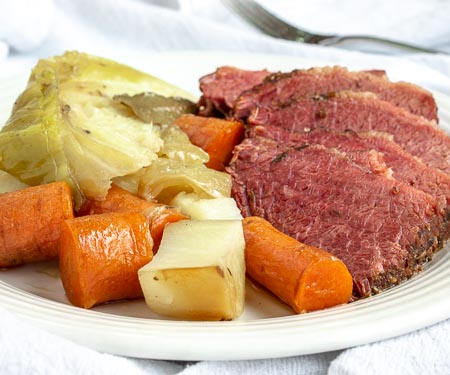
Building Your Plate: Start with a base of drained cabbage, potatoes, and carrots. Lay slices of the rested, warm corned beef on top. Generously dollop with horseradish cream and a smear of mustard. Serve with a wedge of soda bread on the side.
Beyond St. Patrick's Day: Global Variations and Modern Twists
While the classic corned beef and cabbage is a beloved ritual, the core components—salt-cured beef and cooked vegetables—appear in fascinating forms worldwide.
- Jewish Deli Classic: The foundation is the same cured brisket, but it's often served thinly sliced on rye bread with mustard and a kosher dill pickle. The cooking liquid might include more garlic and allspice, and it's frequently finished with a scant amount of sugar to balance the salt.
- New England Boiled Dinner: Similar to the Irish-American version, but often includes a beef bone or salt pork for extra richness, and sometimes beets or turnips. It's a staple for New Year's Day.
- Corned Beef Hash: The ultimate leftovers transformation. Dice leftover corned beef and boil-day vegetables (cabbage, potato, onion). Fry in a skillet until a crispy crust forms. Top with a fried egg for a legendary brunch.
- Modern Gourmet Twists: Chefs are reimagining the dish. Think corned beef tongue instead of brisket, Brussels sprouts shaved and lightly dressed instead of cabbage, or a parsnip purée in place of potatoes. A corned beef ramen with a rich, spiced broth and thinly sliced beef is a stunning fusion.
Common Mistakes to Avoid: Your Troubleshooting Guide
Even with a simple recipe, pitfalls can turn your feast into a flop. Here’s how to avoid them:
- Mistake: Buying the wrong cut or a poorly trimmed brisket. Solution: Ask your butcher for a whole packer brisket (which includes both flat and point) or specifically for a point cut for maximum flavor and juiciness.
- Mistake: Not soaking the brisket first. Solution: The 2-4 hour soak is your best defense against a salt-bomb dinner. Don't skip it.
- Mistake: Boiling instead of simmering. Solution: A rolling boil will tighten the muscle fibers and make the beef tough. Keep the liquid at a bare simmer—just a few bubbles breaking the surface.
- Mistake: Overcooking the vegetables. Solution: Add the cabbage, potatoes, and carrots only after the beef is removed to rest. They cook much faster than the beef.
- Mistake: Slicing the beef against the grain too early. Solution: Identify the direction of the muscle fibers (they run lengthwise on a flat cut, more irregularly on a point cut). Always slice against the grain to shorten the fibers and make each bite tender. Letting it rest is step one; slicing correctly is step two.
- Mistake: Using too little cooking liquid. Solution: The meat will steam rather than braise, leading to a dry result. Ensure the liquid comes at least halfway up the side of the brisket.
Nutrition and Health Considerations: A Balanced View
A traditional plate of corned beef and cabbage is undeniably hearty but comes with nutritional caveats. A 3-ounce serving of cooked corned beef brisket contains about 210 calories, 15g of fat (5g saturated), and a significant 1,000+ mg of sodium—nearly half the recommended daily limit. The cabbage and potatoes provide fiber, Vitamin C, and potassium, but the dish is low in fresh greens.
For a Healthier Version:
- Soak the brisket thoroughly to reduce sodium content by up to 30%.
- Use a low-sodium or reduced-salt pre-cured brisket.
- Boost the vegetables. Add extra cabbage, some kale or collard greens in the last 10 minutes of cooking. Serve with a large side salad.
- Trim all visible fat from the brisket before cooking.
- Control portions. A 3-4 ounce serving of beef (about the size of a deck of cards) with ample vegetables is a satisfying balance.
Conclusion: More Than a Meal, a Legacy
Corned beef and cabbage is so much more than the sum of its parts. It’s a edible artifact of resilience, a testament to how immigrant communities reshape their heritage with new ingredients and influences to create something uniquely their own. It’s the smoky, salty scent of a slow-cooked brisket that promises comfort. It’s the sharp tang of horseradish that awakens the palate. It’s the simple, buttery softness of cabbage and potato that grounds the whole experience.
Mastering this dish connects you to a powerful narrative of adaptation and celebration. Whether you’re preparing it for a sea of green-clad friends on March 17th or simply craving a soul-warming, no-fuss dinner on a cold evening, the principles remain the same: choose a good cut, soak it well, simmer it patiently, slice it correctly, and serve it with love and a dollop of creamy horseradish. So this year, as you gather around the table, you’ll not only be enjoying a timeless flavor but also sharing a story—one of salt, spice, and the enduring spirit of making a new home taste just a little bit like the old one. Now, go forth and cook up a pot of history.